

 CN
CN
 EN
EN

Products
FAQ
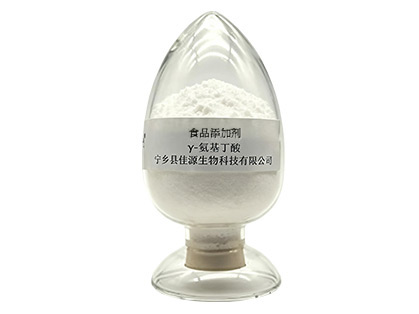
What are the main functions of gamma aminobutyric acid in animal feed?
+ -Adding gamma aminobutyric acid to livestock and poultry feed can help alleviate heat stress, reduce restlessness and tail biting and fighting behaviors, while promoting growth hormone secretion and improving feed intake and utilization efficiency. The actual effect varies depending on the animal species, feeding environment, and dosage added.
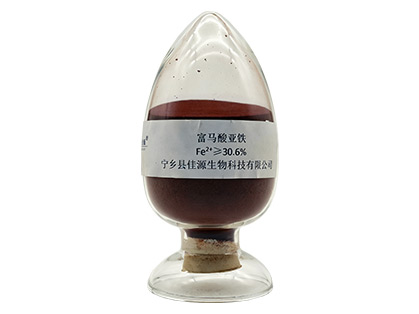
Which food categories are suitable for ferrous fumarate as a food nutrition enhancer?
+ -Ferrous fumarate can be used in infant formula foods (such as high-speed Rice noodles and formula milk powder), nutritional supplements for pregnant women and the elderly, and also can help improve the color of meat products. When used, it should comply with the addition range and dosage requirements specified in relevant national standards such as GB 14880.
What are the advantages of ferrous fumarate compared to ferrous sulfate in food applications?
+ -Ferrous fumarate is an organic iron source with a mild metallic odor, which has a relatively small impact on food flavor; The stability is good during processing and storage, and it is not easy to cause product discoloration. The absorption and utilization process of iron in the human body is relatively mild, and its irritation to the gastrointestinal tract is lower than that of some inorganic iron salts. Specific advantages need to be validated in conjunction with product formulas and processes.
How is the amount of ferrous fumarate added to animal feed generally determined?
+ -The amount of addition should be determined based on the animal species, growth stage, iron content in the basic diet, and breeding objectives. Usually, 100-150 grams/ton are added to piglet feed, 80-120 grams/ton are added to sow feed during late pregnancy, and 50-100 grams/ton are added to aquatic feed. It is recommended to conduct gradient tests under the guidance of professionals to avoid excessive or insufficient testing.
What benefits does using ferrous fumarate as a substitute for inorganic iron sources have for environmental protection?
+ -Due to the high bioavailability of ferrous fumarate, animals absorb iron more fully, resulting in a relatively lower amount of unabsorbed iron emissions in feces. This helps to reduce the impact of heavy metal emissions from aquaculture on soil and water bodies, and is one of the commonly used emission reduction measures in green aquaculture. The actual emission reduction effect needs to be comprehensively evaluated in combination with feeding management and manure treatment processes.