

 CN
CN
 EN
EN

Products
FAQ
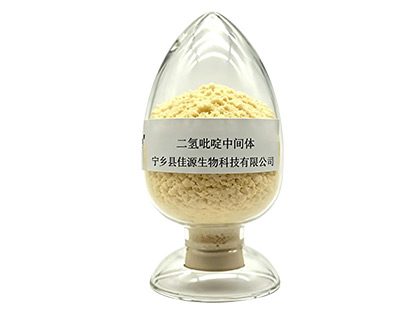
What is the main role of dihydropyridine in feed additives?
+ -Dihydropyridine is a multifunctional feed additive, and research has shown that it helps improve the growth and reproductive performance of livestock and poultry, while also having certain antioxidant and anti stress effects. Applied in breeding animals such as pigs, poultry, and aquatic products, it can assist in improving feed utilization efficiency and animal health levels. The actual effect varies depending on the animal species, feeding environment, and dosage added.
What is the difference in the use of sodium 1,2,4-triazole and potassium triazole?
+ -Both are metal salts of 1,2,4-triazoles, with the main difference being cations (sodium or potassium ions). They have slight differences in solubility, reactivity, and corresponding requirements for downstream products. The selection should be based on the specific synthesis process and required product type of the customer. Both can be used as pesticide intermediate raw materials and organic synthesis raw materials.
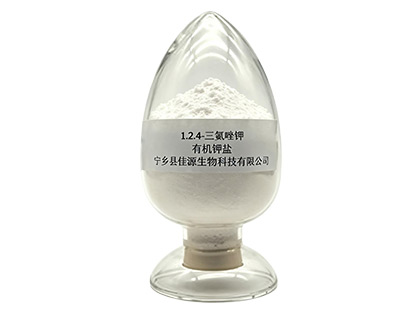
What are the main uses of potassium 1,2,4-triazole in pharmaceutical synthesis?
+ -This product is one of the key raw materials for synthesizing antifungal drugs such as fluconazole, and can also be used to prepare intermediates for antiviral, anticancer, and sedative drugs. Its potassium salt form is easily soluble in water, making it easy to participate in subsequent reactions. The specific application needs to be determined according to the pharmaceutical company's process route.
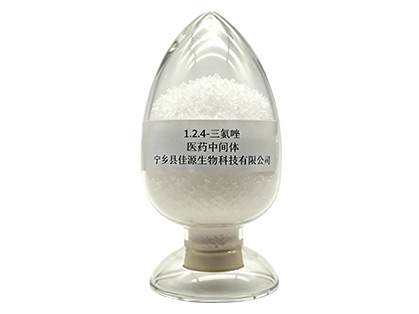
What are the main intermediates of 1,2,4-triazole used in pesticide synthesis?
+ -1,2,4-triazole is a core intermediate for the synthesis of triazole fungicides (such as triadimefon and tebuconazole) and plant growth regulators (such as paclobutrazol and tebuconazole). Through these pesticide products, it helps to prevent crop diseases and regulate growth. The specific application needs to be determined based on downstream processes.
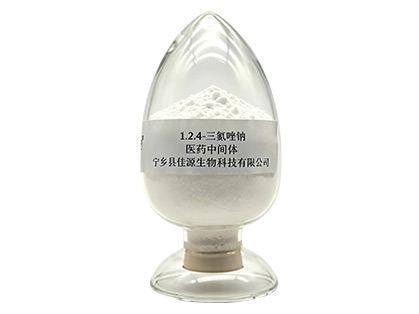
What are the safety risks of 1,2,4-triazole sodium? How to protect?
+ -This product is irritating to the eyes, respiratory tract, and skin (risk terms R36/37/38). Chemical safety goggles, dust masks, and protective gloves should be worn during operation, and used in a well ventilated environment. If accidentally touched, immediately rinse with plenty of water and seek medical attention promptly.