

 CN
CN
 EN
EN

Products
FAQ
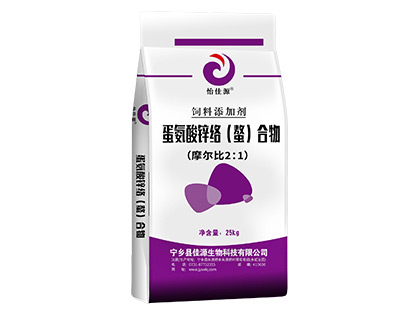
What is the difference between methionine zinc complex and glycine zinc in application?
+ -The zinc methionine complex (molar ratio 2:1) uses methionine as a ligand and is extremely soluble in water. Its release rate in the animal digestive tract is slow, and it may be more suitable for ruminants (relatively stable in the rumen) or scenarios that require sustained release effects. However, zinc glycinate has better water solubility and different absorption channels. The specific selection should be determined based on the animal species, feeding method, and formula cost. Both products can be used to supplement zinc and prevent zinc deficiency.
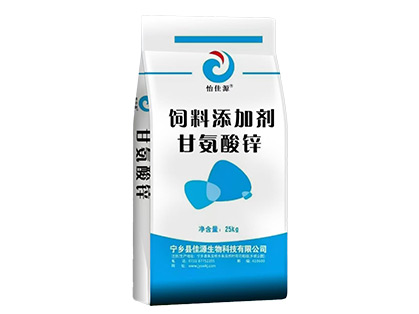
What is the main function of using zinc glycinate in pig feed?
+ -Zinc glycinate provides an organic zinc source for pigs, which helps prevent skin keratosis (such as "split hoof disease"), rough fur, and abnormal bone development caused by zinc deficiency. At the same time, zinc participates in various enzyme systems and hormone synthesis, and moderate addition can support the normal reproductive performance of breeding pigs (such as improving conception rate and litter size). It is recommended to use according to the recommended limit to avoid excessive use.
What aspects of animals can be improved by adding ferrous glycinate to feed?
+ -Adding ferrous glycinate can help prevent iron deficiency anemia in young animals such as piglets and chicks caused by insufficient iron intake, manifested as improving skin redness and making hair color shiny. At the same time, iron participates in oxygen transport and cytochrome synthesis, and moderate supplementation can assist animal growth and development, improving feed conversion efficiency. The specific degree of improvement needs to be comprehensively evaluated based on the level of aquaculture management and the nutritional status of the basic diet.
What are the differences in absorption between ferrous glycinate and inorganic iron (such as ferrous sulfate) in animal bodies?
+ -Glycine iron belongs to organic chelated iron, and its iron ion forms a stable complex with glycine. Animal intestines have specific absorption channels for glycine, so glycine iron can be absorbed through amino acid transport pathways. Compared to inorganic iron, it is less affected by antagonistic factors such as phytic acid and oxalic acid in feed. This helps to improve the utilization rate of iron element and promote hemoglobin synthesis. The actual absorption efficiency is influenced by factors such as animal species, dietary composition, and health status.