

 CN
CN
 EN
EN
Application project of glycine zinc as a substitute for inorganic zinc in a certain aquatic feed enterprise in Sichuan Province
Customer Introduction:
Customer Name: A certain aquatic feed enterprise in Sichuan
Industry: Aquaculture Industry/Aquatic Feed
Enterprise Scale/Background: Mainly engaged in aquatic feed such as South American white shrimp and tilapia, with an annual production capacity of about 80000 tons, covering major aquaculture areas in South and East China.
Project Background/Customer Pain Points:
Pain Point 1: Traditional inorganic zinc sulfate has poor stability in aquatic feed and is prone to combine with phytic acid and other substances to form insoluble precipitates, reducing the bioavailability of zinc and making it difficult to meet the practical needs of aquatic animals. Pain point 2: Long term high-dose use of inorganic zinc leads to the accumulation of zinc residue concentration in aquaculture water, which does not meet the requirements of green and environmentally friendly aquaculture, especially in local water areas where environmental inspection pressure is faced.
Pain point 3: Shrimp grow slowly during the molting period, and the shell hardness is insufficient, which directly affects the size of the pond and market price. It is urgent to supplement efficient zinc sources to promote shell formation. Adding this product to feed can supplement the trace element zinc needed by animals, prevent zinc deficiency such as incomplete skin keratinization, and promote normal growth of bones and fur.
Solution:
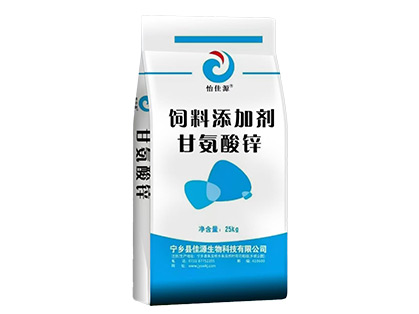
Core product/service used: Zinc glycinate (feed grade)
Solution Overview: In shrimp compound feed, zinc glycinate is used to replace some or all inorganic zinc sulfate, maintaining the effective zinc content in the feed to meet the growth needs of shrimp while reducing the total zinc addition by about 20%, promoting shrimp growth and shell development, and reducing zinc residue in aquaculture water.
Implementation key steps:
Based on the customer's basic formula and aquaculture water quality data, customize a gradient test plan for glycine zinc addition.
Conduct a 60 day comparative breeding experiment in the customer's designated high-level pool, setting up 3 different dosage groups and 1 inorganic zinc control group.
Check the body length, weight, survival rate, and zinc content in the shell of shrimp every 15 days. When leaving the pond, calculate the total yield, feed coefficient, and zinc residue in the aquaculture effluent, and issue a comparative report.
Implementation cycle: about 2-3 months
Implementation effect (data-driven):
Effect 1: Average weight gain rate of shrimp increased by about 9% [Data source: Customer breeding test records]
Effect 2: Feed coefficient improved by about 6% [Data source: Customer statistical data]
Effect 3: Zinc content in aquaculture discharge water decreased by about 35-40%, meeting local environmental standards [Data source: third-party testing]
Effect 4: Shrimp molting cycle shortened by about In 2 days, the shell hardness increased and the transportation survival rate increased by about 15%. [Data source: customer feedback]
Customer testimony (optional):
“ The absorption and utilization efficiency of zinc element in glycine zinc is indeed much higher than that of zinc sulfate. Shrimp shells are hard, have good body color, and are more favored by buyers when they leave the pond. There are no concerns about environmental protection anymore. ”
- General Manager
Related Products
More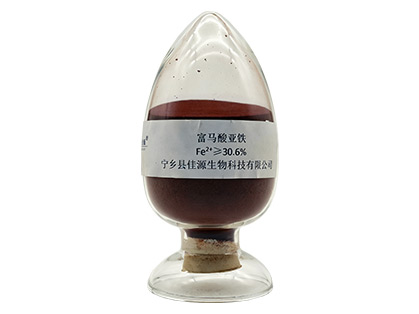
FAQ
How to ensure continuous supply of triazole intermediates during peak seasons? How is batch stability?
+ -A listed pesticide company has provided feedback that Jiayuan Biotechnology has established an emergency stocking mechanism for its triazole series products: regular products maintain a 30 day safety stock, coordinate production capacity 60 days ahead of peak season, and shorten the delivery cycle from 7 days to within 3 days. The product purity is stably controlled at 99.5% or above, with batch differences less than 0.3%, and there have been no interruptions in supply throughout the year leading to production shutdowns. Supply guarantee measures can be customized according to customer needs.
What are the practical improvements in shrimp growth and water environment by replacing zinc sulfate with zinc glycinate?
+ -A high-level pond comparative experiment of a certain aquatic feed enterprise showed that replacing inorganic zinc with zinc glycinate increased the average weight gain rate of shrimp by about 9%, improved the feed coefficient by about 6%, reduced the zinc content in the aquaculture effluent by 35-40%, shortened the molting cycle of shrimp by about 2 days, and increased the transportation survival rate by about 15%. The specific improvement range is affected by the breeding density, water quality, and basic formula.
Summer sows experience severe heat stress. Is there an anti stress plan that does not rely on chemical drugs? How is the effect?
+ -A large agricultural and animal husbandry group added dihydropyridine (100-150g/ton) to the diet of sows. After continuous use for 60 days, the feed intake of sows increased by about 8% under heat stress, the average weight of piglets weaned increased by about 5.5%, and the incidence of tail biting and fighting behavior in fattening pigs decreased by about 60%. Dihydropyridine is a non fungible additive that conforms to the trend of antibiotic free farming, and its effectiveness varies depending on the feeding and management conditions.
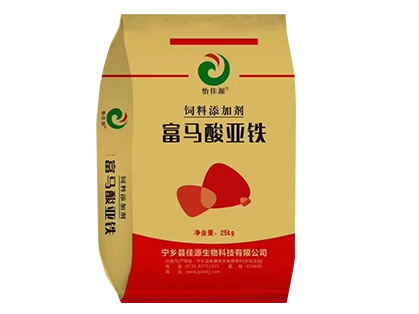
What are the effects of replacing inorganic ferrous sulfate with ferrous fumarate in feed on production stability and cost?
+ -According to the actual application feedback of a listed feed group, the use of ferrous fumarate and glycine iron complex instead of inorganic iron reduced the product clumping rate by about 85% under high temperature and high humidity conditions in summer, improving the mixing uniformity; At the same time, the hemoglobin content of piglets increases by 12-15%, which can save about 4500 yuan in injection and iron supplementation costs per thousand piglets. The specific cost-effectiveness needs to be calculated based on your company's formula and breeding scale.